Wrapper: Nicaraguan Corojo (Proprietary)
Binder: Nicaraguan (Double Binder: Esteli, Jalapa)
Filler: Nicaraguan (Jalapa, Esteli, La Mia)
Size: 6 x 52 “Toro”
Body: Full
Price: $8.00
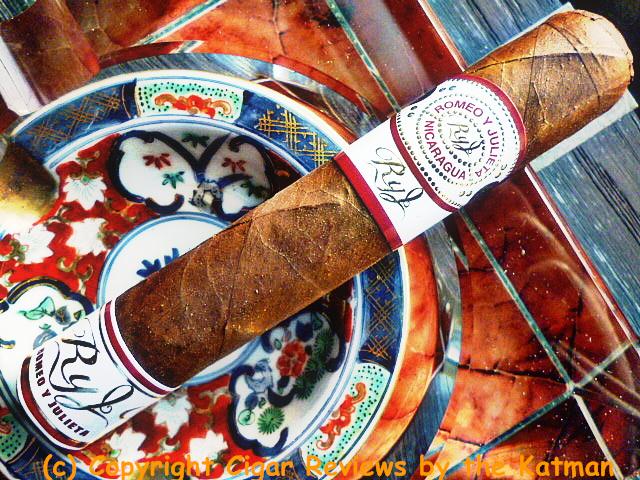
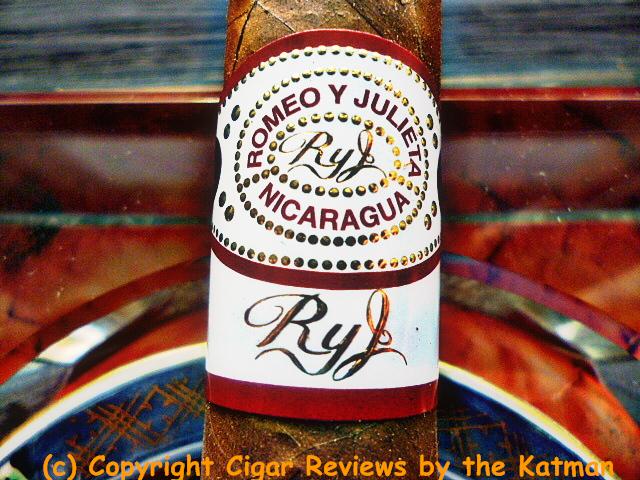
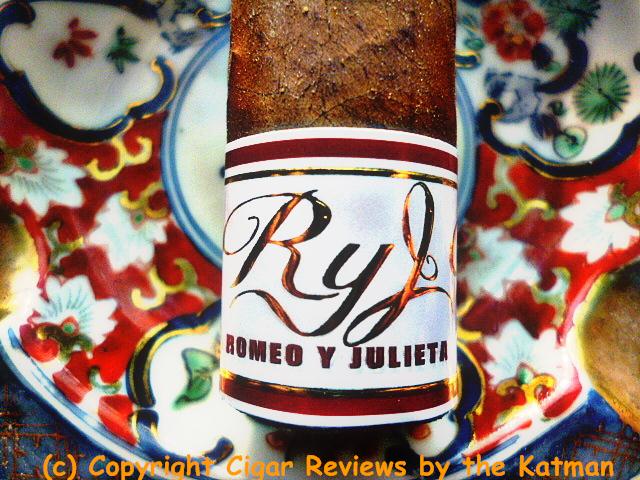
A new cigar from Romeo Y Julieta.
Presentation is beautiful. Double bands. Glistening white with red and gold lettering. And those gold dots really pop.
Construction is solid. A milk chocolate colored wrapper. A nicely applied single cap. Oily and a bit toothy. Invisible seams and some discreet veins.
I clip the cap and find aromas of dark cocoa, citrus, and spice.
Time to light up.
First puffs are toasty. Very earthy and here comes the spiciness. And then some cocoa. The citrus pops its head up. And a bit of sweetness.

The draw is perfect.
Already, this is a very flavorful cigar.
At the end of the review is a story that has nothing to do with drugs, sex, or rock and roll. It took place starting in 1996 when the Arizona Diamondbacks broke ground on their new stadium. I was a senior project manager in charge of all the gingerbread, foo foo things that went into the stadium including rail and anything made of stainless, bronze, copper, or aluminum. It was quite a harrowing experience that I endured. More on that later.
The cocoa becomes very strong. The sweetness makes a surge for the front of the line and the citrus is a nice tangy counterpart. The pepper coats the whole enchilada. I was going to say, “mishegos,” but it’s Yiddish and I doubt anyone would know what that means. So enchilada works just fine.
The char line needs a touch up.
The citrus is not lemon or orange. It is lime. The strength hits classic medium right out of the gate.
The spiciness takes a back seat to the primary flavors. Short and sweet.
But the cocoa, sweetness and citrus are swinging for the fences.
I’ve had this stick for a month. Based on how all of the big, staid manufacturers are trying to keep up with the New Breed Tattooed Ones, I figured it would be ready for review.
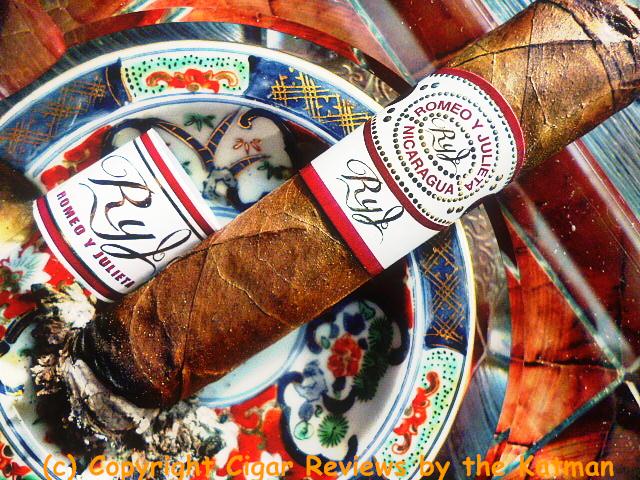
So far, this is a nice premium stick. And at $8, it is where it should be as far as quality.
I take a swig of water and the cocoa and even the red pepper bolster their intensity.
The second third begins and no significant changes. The char line has serious issues and is driving me bat crazy touching it up. Construction is lousy.
But it tastes good.
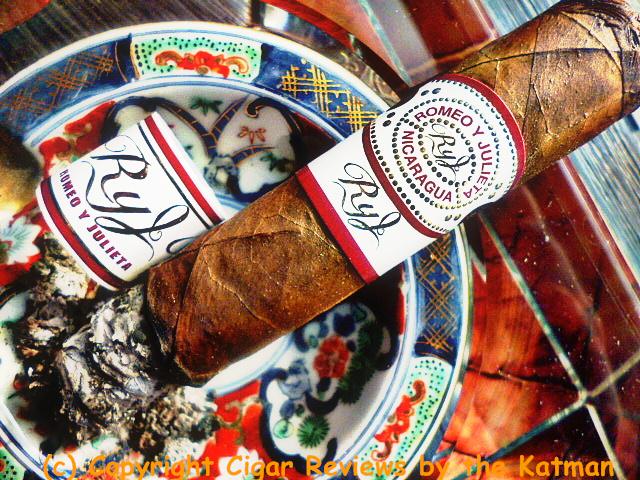
Here are the flavors: Sweetness, cocoa, lime citrus, creaminess, earthy, and spice.
The creaminess appeared and holds the whole thing together. It wants to be a flavor bomb but the officials say no.
I’m at the halfway mark and it proves to be a pleasant cigar. Nothing spectacular. But pleasant.
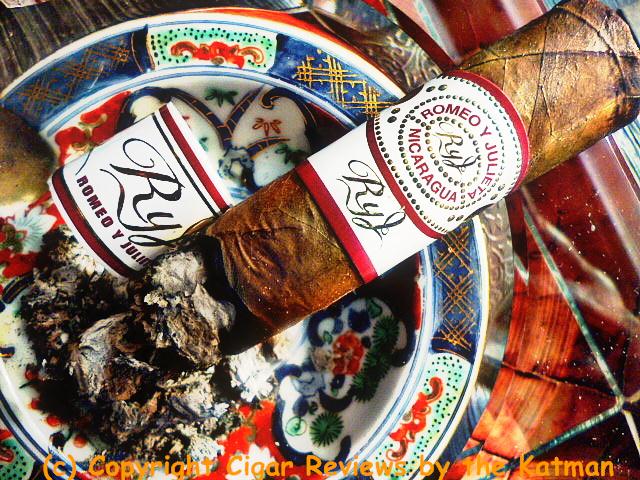
Flavors are subtle instead of buoyant. Now I think that this is still an Old School blend needing months of humidor time as opposed to a single month. This was a gift by a good buddy who wants to remain anonymous so his buddies don’t go into uber mooching stage. “Hey. You’re giving free cigars to that asshole reviewer. Why not me?”
The strength is still at medium bodied. This is a tip off that a cigar the manufacturer says is full bodied, and isn’t soon after lighting it; means extensive humidor time is needed.
The earthiness takes the lead with the lime right behind. The cocoa and sweetness take a back seat. The red pepper moves to the back of the line.
The last third begins with more of the same. If it is going to be a flavor bomb, now is the time to show it.
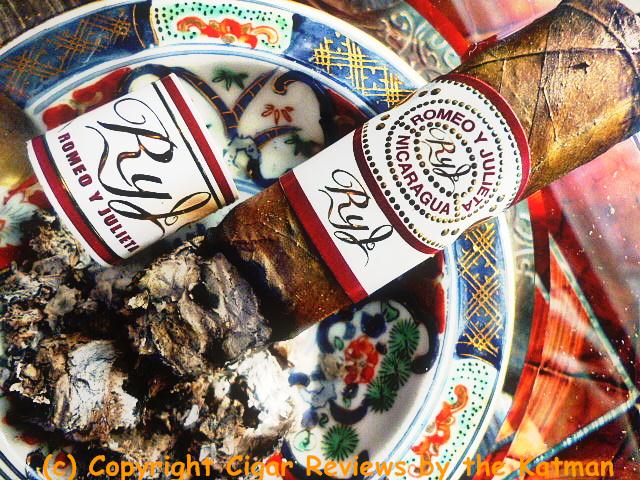
Well, the cigar doesn’t seem to want to go anywhere. Flavors have crawled back in their shell. And all that is left is some earthiness, lime and a bit of sweetness.
I decide that I am going nowhere fast and that continuing is just a waste of time.
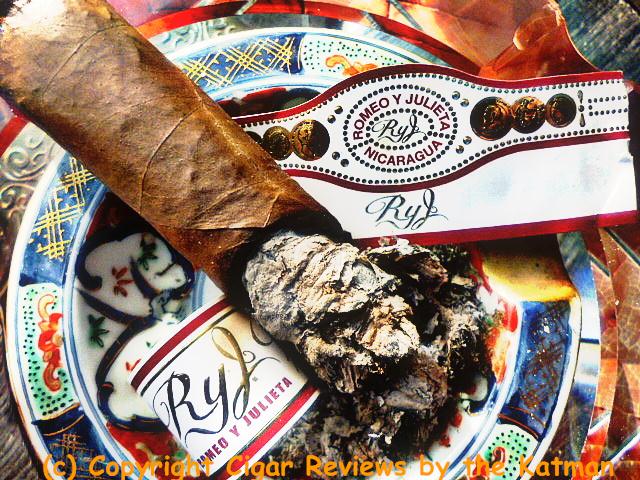
And now for something completely different:
This is the story about the building of the Arizona Diamondbacks stadium. And my involvement. I lived in Mesa, AZ from 1991-2000. The heat was a slap in the face for a So Cal boy. It was devastating at times.
I was a project manager for a company that did high end metal fabrication and installation. Rails, glass rail, stainless, bronze, copper, etc.

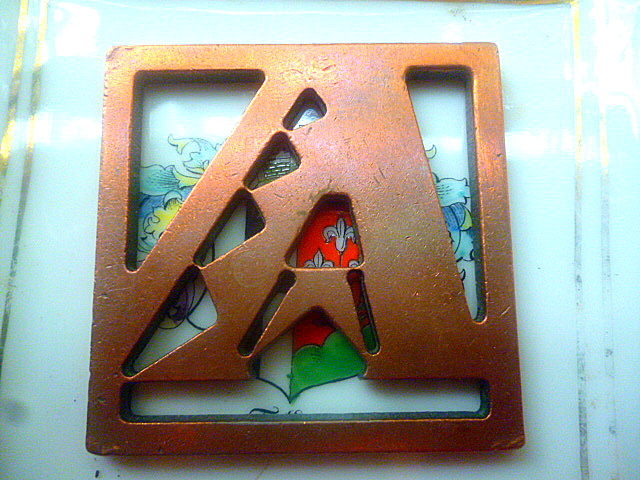
We had a huge contract to do all the foo-foo gingerbread stuff in the stadium. One of the things we provided was a two foot square panel, made of solid copper that was cut to show the Diamondback logo. It was cut using water jet technology. It is cleaner than laser cutting because it doesn’t leave burned edges. Laser cut edges must be ground smooth to remove the black. Obviously, water jet cutting is very, very expensive. But eliminates all the labor to clean the edges.
We provided hundreds of these panels and they were inserted, every eight feet, in all the guard rails in the stadium. They have since been removed because the idiot architects decided not to coat them in some sort of clear lacquer. This meant they wanted them to oxidize and the color would eventually look like a brown penny. Which is not very pretty. Not to mention, people were touching them constantly. So the oil from their hands left bright fingerprints and the whole thing looked horrible. It was years before they got rid of them.
I got the idea to make a 2” square version to use as key chains. I still have mine. I got enough for everyone at work and I had our shop coat them with clear lacquer so they would stay shiny. We paid $5 each for them.
Schuff Steel did the structural work on the stadium. And when they left, there was still a lot of miscellaneous metal work to be done as extras because the architects couldn’t find their asses with a metal detector.
The general contractor knew I had a structural background and they gave us several million dollars in no-bid contracts to finish the stadium. Sort of a small Halliburton situation.
The back stop behind home plate was a metal wire mesh panel and designed to protect the people in seats behind home plate from errant foul balls. Believe it or not, the design was very complicated. My structural engineering did me well for this. As the math was very complicated and I love math.
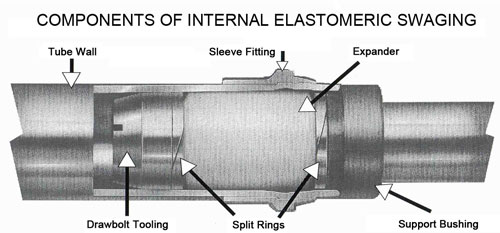
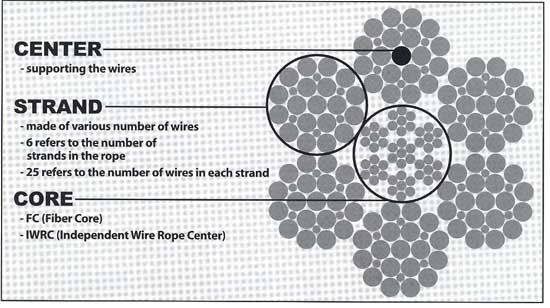
The wire rope cable support was ¾” stainless steel. And the cables were attached using a swaged connection. This means the cable is inserted into a stainless steel tube and then compressed, or crimped, to hold the cable in place. This was stupid considering the amount of tension that would be placed on the units. Around 30,000lbs. They should have used mechanical connections, which are basically tied off cable, but the dumb ass architects liked the clean look of the tube. This would back fire. And the only way a visitor to the stadium could see them was with binoculars.
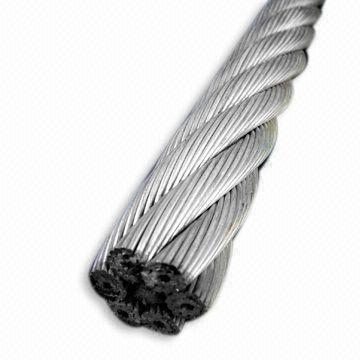
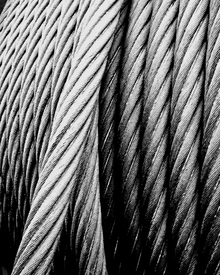
The main cable was over 800 feet long. It stretched from far right outfield, down the first base line, around home plate, down the third base line, and then back out to left field by the bleachers.
I hired a contractor, that I had used before, that was out of San Diego. It took them over a month to install the cables. They had the cable connections fabricated by a company that does nothing but cable work.
Cables were everywhere. 20 cables were attached to the 800 foot cable to pull it back to create that parabolic shape. They had to tie these cables to the big swooping cable back to the second and third levels; thereby holding the big mutha’ in place. It required engineers to survey the installation so that as the cable was tightened in increments of 1/16″, the big cable would drop into place. One cable would be tightened a sixteenth of an inch, and then the surveyors would move to the next cable. They did this over and over in a certain sequence. Very complicated and I won’t bore you with the math. It took two weeks for the surveyors to get the cables tightened and at the right height.
I was there when they finished. Less than 30 minutes later, I looked up as I heard what sounded like a plane crashing through the sound barrier. The big right field cable connection came loose and the cable was shot, like out of a cannon, all the way back to home plate along the first base line. It flew several hundred feet at the speed of sound.
Workers were everywhere in its path. There was over 30,000lbs per square inch tension on those cables, so when it came loose, it tore bolted seats and threw them 100 feet into the air… and sent them flying into the infield. Where the cable just barely touched the seats, it left half circles of missing plastic at the top of the chair. It literally dissolved the plastic.
I watched as this loose snake missed hundreds of workers in its path. Had it hit one person, it could have decapitated him or cut him in half. And God help us if it happened during a game. It would have killed dozens of people.
So you can imagine the brouhaha that followed. It got the same response as if a plane had crashed on first base.
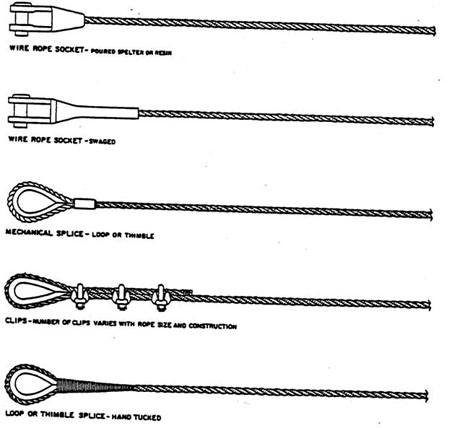
The general contractor insisted that this time, the connections would be mechanical. Screw the architect. The blame for this was shifted to the manufacturer of the cable. In all situations, engineers over-design connections, so that they are several times the required design. That’s how all structural steel is designed. The bottom line is that the manufacturer just let this swaged connection pass by inspection. Everyone asked where their quality control was? The GC demanded all their paperwork. It got ugly.
I spent the next two weeks supervising the re-installation of the cables. It was slow and laborious. It took four teams of surveyors and engineers to get it right. We had no liability and it was not our fault. But we were the messengers, so to speak. And the GC was really pissed off at us for something that was not our fault. The cable company took full responsibility for this and re-fabricated the connections at their cost. And they had to pay for the re-installation…and the four teams of surveyors.
I remember standing in the rain, due to a leaking roof, in the middle of February. The closing roof had so many leaks that it was like a rain forest inside the stadium. And I got sick as a dog the first week. After seeing how diligent I was, the GC got off my back and our relationship went back to normal as they came to terms with this not being my fault.
As expected, the owner of the company I worked for didn’t give a shit if I was sick or not. I was to be there every single day until it was fixed…10 hours, 6 days per week. I remember taking the cable connection part that failed and having it made into a coffee table curio. I had the connection welded to a stainless steel plate.
When it was complete, I spent the next four days in the hospital with pneumonia. The boss never visited once. Construction is a really shitty industry. I don’t miss it one bit. Actually, it is a lot like the cigar industry and the music business. Always someone there to stab you in the back.
The only upside was that I spent almost two years watching a ball park being built. From breaking ground in 1996 to the laying of the sod in 1998. Once the sod was down, they put guards around the playing field to make sure no workers stepped on the grass.
Later, when the park was open, I went to a game with the CFO and we had home plate seats. I got there early because the D-backs were playing the Cardinals. And I wanted to watch batting practice.

I remember being in awe at the size of Mark McGwire when he came to the plate. I was only 30 feet away. And I watched as he hit every pitch outside the park. And his last one smashed a hole in the Jumbo-Tron.
The D-Backs lost the game that day.


Discover more from Cigar Reviews by the Katman
Subscribe to get the latest posts sent to your email.
Categories: CIGAR REVIEWS

Katman at your disposal...I'd love to know what you think.